

Images of the sea and a pool can make a beachfront project memorable. Before choosing an apartment, translate that impression into an everyday question: how would you travel from the specific home you are considering to the beach, and what conditions would apply when your family or guests use shared facilities? The answer can matter whether you plan occasional holidays, a longer stay or a purchase from abroad.
Emperor Developments describes Marvento as a residential resort in Al Ahyaa, Hurghada, with private beach access and shared facilities. Its published description is a starting point for questions, not evidence that a particular facility is operating today or that every residence has identical rights. Request current, unit-specific documents from NGI and the responsible project parties. Availability, access rules, fees and construction or operating status must be confirmed for your actual offer. Seek appropriate legal advice before committing.
Start from the residence you are considering
Keep the apartment reference, building and floor with the plan you are shown. Ask for a current plan that identifies the home, relevant entrances and the route to the common areas. Check its date and status: is it an illustrative layout, a proposed arrangement or a document the responsible party confirms for this purpose? A project-wide picture is useful context, but it cannot show how every residence relates to an entrance.
If you are comparing two options, use a separate record for each. Similar marketing descriptions may conceal different positions or routes. One home might require a different approach to a lift or a shared entrance, but do not presume either feature for a particular unit until it has been explained. Mark answers as documented, explained but awaiting confirmation, or not yet available. This simple distinction makes later conversations easier.
Ask who can confirm the plan and how a buyer would be informed of a material change. Keep the full document and date alongside your notes rather than saving a cropped image with no context. Where parts of the project cannot yet be viewed, ask what can be demonstrated now and what will require a later inspection. A responsible answer may identify uncertainty; it should not turn an unverified detail into a promise.
Walk through an ordinary journey
Ask NGI or the project representative to explain the proposed route from the residence entrance to the beach on the plan or during an authorised visit. Where are the access points? Would the route pass through a gate or shared area? Who can confirm the arrangement for the relevant stage of the project? These are questions to investigate, not claims that a particular route or gate exists.
Think about the people who will actually use the home. A family carrying beach equipment, a parent using a pushchair and a visitor who needs easier movement may assess the same route differently. Ask about steps, gradients, path widths and alternatives where they are relevant to your needs. The phrase “easy access” is too broad to answer those questions. Obtain measurements or professional advice where they matter to your decision and where reliable information is available.
Consider the return journey as well. Ask where you can find an up-to-date site plan and whom you would contact if a route were temporarily unavailable. Do not assume an alternative path, a vehicle service or a specific distance. If a representative cannot confirm a detail yet, record the open question, source and expected follow-up rather than borrowing an answer from another development.
Clarify who may use each facility
Request the current rules or the draft rules available for review and ask how they apply to the selected home. Do they address owners, household members, visitors or occupants under a permitted rental arrangement? A reference to a private beach does not by itself explain guest numbers, registration, access credentials or conditions. Ask the responsible party to identify which terms are in force and which remain to be determined.
Describe an actual scenario instead of asking only whether guests are allowed. For example, family members may arrive on different days, or an owner living abroad may not accompany every visitor. How would the rules apply to that situation? If you are considering rental use, check separately whether that use is permitted under the relevant agreements and applicable requirements, and ask how facility access for occupants would be handled.
Ask who issues or administers the rules, where the current version is kept and how changes are communicated. Avoid assuming that an oral explanation creates a permanent entitlement. If an answer is important to your purchase, request it in writing and review the relevant agreement with a qualified adviser. Keep the version and date, because a document without its context is difficult to compare later.
Separate the amenity from extra services
Project materials may mention pools, dining, beach services or property management. Ask which items are included within the relevant common-service arrangement and which, if offered, are separately priced. A restaurant or optional service appearing in a brochure is not evidence that its use is free or included in an owner’s payment. Equally, do not assume a charge exists until the responsible party confirms it.
Use a comparison sheet with four columns: the item, the source, the stated condition and the unanswered question. For a shared pool, the open question may concern operating hours or access for visitors; for a service provider, it may concern whether a separate agreement is required. Keep promotional descriptions separate from unit-specific commitments. If the information is not available yet, mark it as pending rather than assigning a guessed cost.
Ask how owners are notified of closures, maintenance or changes when those procedures are established. If a facility is central to your decision, identify what evidence you need before proceeding. The answer might be a current written rule, an updated site plan or a later inspection. Do not rely on an illustrative interior image or a generic resort description to establish the service attached to your individual purchase.
Distinguish plans from operational status
For each facility, identify whether it can currently be inspected and used, is planned in the published project description, or has a status that has not been confirmed. Ask the project party for the date of that information. A visualisation or brochure can explain an intended concept, but it cannot independently prove today’s construction progress or the final appearance of a specific feature.
If a date is discussed, ask whether it is an estimate, a milestone in a formal document or an obligation in the actual agreement, and what the document says about changes. We do not infer an actual handover date or opening date from a general description. Request the latest written offer for the residence and have the relevant terms reviewed by an appropriate professional before making a payment.
During a visit, ask the guide to distinguish what you can see on site from what is shown on a future plan. If a show home or sample finish is used, ask how it relates to the specific unit under consideration. Note who gave each answer. This approach is especially valuable when you are purchasing from outside Egypt and may need another person to help you inspect documents or the property.
Build a complete written cost picture
Ask for a current written explanation of charges that apply to the selected offer: maintenance, common services and any other confirmed items. Clarify when each becomes payable, what it covers, who administers it and how questions or changes are handled under the relevant documents. Do not assume that an older figure, a quoted percentage or a different apartment’s schedule applies to yours.
When comparing offers, list the written unit price separately from confirmed additional charges and unresolved items. Distinguish a one-time amount from a recurring payment when the actual documents make that distinction. Ask about the currency, due dates and supporting documents. If a charge has not been specified, leave it open; inventing a number would make the comparison look complete while hiding the real question.
The value of an amenity depends partly on the way your household will use it and on the confirmed terms. Someone visiting for short holidays may prioritise a different service from someone staying for several months. Consider those needs without assuming a financial return, future booking level or a fixed operating cost. Written answers and a properly reviewed agreement are more useful than a generic promise of convenience.
Test the rules against a real household routine
Imagine that owners arrive at different times and relatives join them later. Some want to visit the beach while others prefer a pool. Ask how the current rules would apply to that situation and which document states the answer. If the owner’s presence is relevant, ask the responsible party to explain the condition rather than assuming visitors have the same access as the owner.
For a longer stay, ask how residents would receive notices about maintenance or temporary restrictions and whom they could contact with a question. If privacy or easier movement matters, explain the particular concern and ask for the relevant plan or verified information. The aim is not to predict every future operating decision; it is to learn what is known, what can change and how you will be informed.
If rental use is part of your plan, separate permission to rent from permission for a guest to use each facility. They are different questions. Ask for the current documents and have them reviewed in the context of the specific property. A promotional statement about holiday use is not a substitute for the applicable rules or an assurance of bookings.
Make a remote viewing more useful
If an authorised live video tour is available and appropriate to the stage of the project, agree its scope in advance. Will you see the actual residence, an accessible part of the site, a model home or a plan? Ask the presenter to identify each clearly. Where possible, follow the route on the dated plan and write down what was not visible. Respect permissions and the privacy of people on site.
Keep questions short and traceable: where is the proposed entrance on this plan; what can be inspected now; who can confirm the conditions in writing? Video can help you understand context, but it is not proof of exact measurements, contractual rights or a final finish. Depending on your decision, an independent inspection, document review or a later in-person visit may still be necessary.
After the call, send a concise list of open points to your contact and ask which are confirmed and which need further review. Record the date, apartment reference and plan version. If two sources appear to conflict, ask the responsible party to explain which document is current and how it applies to the proposed purchase before transferring funds.
A checklist before reserving
Identify the residence and the document used to explain access. Ask who may use the beach and each important facility, what rules apply to family and visitors, and whether any potential rental use has different conditions. Request the confirmed fees and list the unresolved ones. Separate facilities that can be inspected from those described as planned, and verify the status and source of any date.
Use the same headings for each residence you consider: source, date, answer, outstanding question and next action. A clearly marked gap is more useful than a confident assumption. For a broader comparison of layout, view and total cost, read our guide to choosing a Marvento apartment. This article focuses on the route, access conditions and day-to-day use of shared amenities.
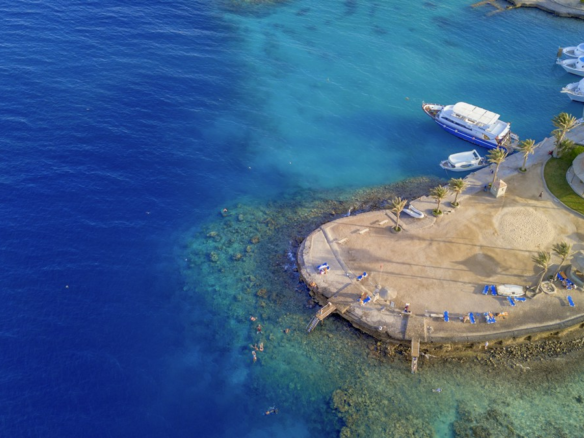
Illustrative photo of Dream Beach, Hurghada; not Marvento. Photo: Vegan Oazïs on Unsplash. Unsplash
Project information: Emperor Developments. Emperor Developments
Discuss your requirements with NGI
Visit NGI’s Marvento project page, then ask for the current plan, available options and written conditions relevant to the particular residence. Tell the team how often you expect to visit, who will use the home and which access questions matter to your household. Availability and commercial terms may change and should be confirmed before a reservation.
Contact NGI on WhatsApp to ask about Marvento apartments in Hurghada. A focused conversation can help you identify the right documents and the questions that still need an answer.


Join The Discussion