
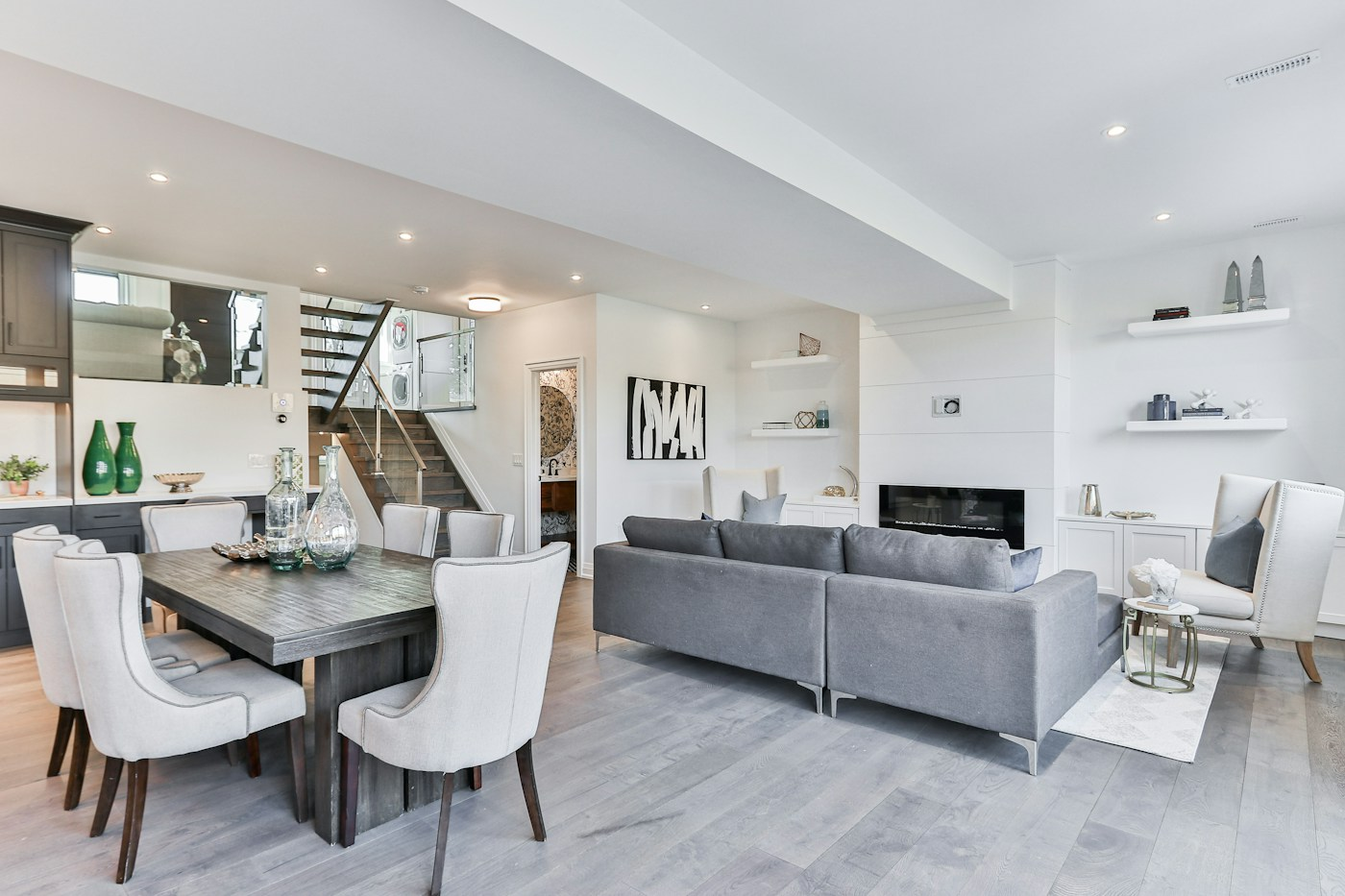
A sofa, a dining table and a neatly made bed can make an apartment feel ready to move into. But a photograph does not tell you which items stay when you buy. If you are considering a furnished apartment in Hurghada, ask for an inventory for the exact unit before treating it as a complete offer.
Start with the apartment, not the showroom
Ask whether the images show the selected apartment, a display home or a proposed furniture package. Request the unit reference and date of the offer alongside the inventory. If you are buying before completion, ask which items are specified and which images only illustrate a possible interior. “Furnished” needs a written explanation.
Walk through one room at a time
For each space, record the item, quantity, identifying details, observed condition and whether it is included. In a bedroom, distinguish the bed frame from the mattress, wardrobes and curtains. In the kitchen, separate cabinets from appliances and smaller items. Record exclusions explicitly so a missing line is not mistaken for an included item.
Identify equipment precisely
If equipment is part of the offer, ask for its make and model where available, whether it is new or used, and any documents or warranty information supplied. Check remote controls, accessories and manuals as well. Ask who will demonstrate safe operation; arrange a qualified inspection for technical concerns rather than relying on the appearance of a clean appliance.
A simple inventory example
An illustrative entry might read: “Living room: one grey two-seat sofa; included; photographed on the viewing date; mark on left arm noted.” This is a recording example, not a description of an NGI apartment. Attach labelled photographs to the list. Avoid vague entries such as “all furniture as seen” when important details remain unclear.
Compare what you would still need to buy
List the items required for your own stays that the offer excludes. Consider practical needs such as suitable mattresses, storage, cooking equipment or a desk, without assuming any are missing from a particular home. Obtain current quotes for the gaps. Compare the complete offers rather than the apparent fullness of the photographs; our offer comparison guide helps organise the wider costs.
Reconcile the list before taking possession
Ask how the agreed inventory forms part of the transaction documents and have an independent adviser explain any unclear terms. At the appropriate handover stage, compare the actual items and condition with the agreed list. Record differences and ask for a written response instead of assuming they will be resolved later.
First distinguish the kind of furnished offer
A completed resale apartment, a developer’s proposed furniture package and a display home are three different starting points. With an existing apartment, the question is which of the items you can inspect will remain. With a future package, you need a specification describing what will be supplied, when it will be installed and how any substitutions will be handled. A showroom helps you imagine a style, but it is not the inventory for your purchase.
Ask the person presenting the offer to identify which situation applies. Keep the response with the unit reference and the dated quotation. If an item has not yet been selected, record that fact instead of treating the photograph as confirmation. This makes later comparisons clearer and helps you avoid paying for an assumption. The questions concern the particular offer; they do not imply that every furnished home follows the same arrangement.
Separate everyday essentials from decorative styling
Walk through the first evening you expect to spend in the home. Where will you sleep, put your clothes, prepare a drink and charge your phone? The answers help you distinguish essentials from the decorations that make a photograph appealing. For a bedroom, record the mattress size and condition, not just the presence of a bed. In a living room, think about comfortable seating and practical storage rather than counting cushions.
Do the same in the kitchen and bathroom. Ask which cooking items, lamps, mirrors and other everyday pieces are included, while keeping movable items separate from fixed fittings. Do not assume that linen, towels or cookware come with a furnished description. Their inclusion needs a clear answer. A short personal essentials list is useful here: it lets you assess whether you can genuinely arrive with luggage or need a separate preparation visit.
Use a remote walkthrough to answer specific questions
If you are buying from another country, send the inventory questions before a video appointment. Ask the person showing the apartment to identify the unit, move through the rooms in a consistent order and pause on important items. A continuous view helps you understand where the furniture sits and how much circulation space remains. Still photographs are useful for details that might be difficult to see during a call.
Ask permission before recording, and agree how photographs and the inventory will be labelled and shared. Keep uncertainty explicit: a video may show a wardrobe but not its internal condition clearly, or show an appliance without demonstrating its operation. Mark such points for a later inspection instead of declaring them checked. Where furniture is still to be delivered, request the proposed specification and an explanation of what the video actually represents. A remote presentation supports your review; it is not a substitute for every physical or documentary check.
Compare furnished and unfurnished options on the same basis
Imagine two otherwise suitable apartments. One has a furniture list that meets your needs; the other leaves you to choose everything. The useful comparison is not which photograph looks fuller. For each option, list the purchase offer, the items you would retain, the replacements you would want and the necessary additions. Then obtain current quotations for your own choices rather than inserting an unsupported allowance.
Include practical arrangements as well as objects. Who measures the rooms, organises delivery, receives goods when you are abroad and checks that orders match? Ask suppliers about assembly, delivery access and any related charges before treating their quote as complete. You may prefer the convenience of an existing package or the flexibility of furnishing gradually. Neither is automatically the cheaper or better choice. The comparison should reflect the same standard of comfort, the same household and your realistic arrival date.
Think about fit, access and maintenance
Furniture that looks attractive in a wide-angle photograph may leave little space for everyday movement. Check important dimensions against the actual plan and, where possible, measurements taken in the apartment. Consider opening cupboard doors, pulling out dining chairs and moving around the bed. A family bringing a pushchair or someone needing easier movement may have different priorities from a couple making occasional visits.
Ask how large replacement items could reach the apartment. The route through entrances, stairs and any lift matters if you later change a sofa or mattress. Also consider ordinary care: which surfaces need particular cleaning products, whether removable parts can be maintained and whether a local provider can help with the equipment you would inherit. Request relevant information directly rather than assuming a brand is easy to service. These checks are about usable comfort and manageable ownership, not simply the number of pieces included.
Make a separate plan if guests will use the apartment
If you intend to let the apartment between your own visits, first check the arrangements and requirements for that use. A furnished purchase does not itself establish that renting is permitted or that a management service is included. Once the use has been checked, review the inventory from the perspective of the people who will prepare the home and respond to problems.
Ask a potential service provider which items they would expect, how they record condition between stays and how missing or damaged items are reported. Keep your own personal possessions identifiable and decide what remains accessible to guests. Agree how replacement purchases are approved while you are away. This is an operating plan, not a prediction of rental income. For more detail, use our guide to personal stays and rental use alongside the inventory rather than assuming furniture alone makes the apartment ready for bookings.
Keep an evidence folder rather than scattered messages
Put the dated offer, final inventory, photographs, equipment details and written answers in one folder labelled with the apartment reference. Use clear version names so that a draft list is not confused with the agreed one. If something changes, ask for the updated item and any effect on the offer to be confirmed together. Keep a record of who supplied each document.
At handover, use that same folder to record what was present and any differences requiring a response. A practical discrepancy note identifies the item, the observed issue, the date and the question you want resolved. Agree a contact for follow-up and keep their written response. Avoid relying on memory or on a brief message that refers only to “the furniture”. Organisation does not decide contractual rights, but it makes the facts easier for you and an independent adviser to review.
Questions worth sending before your next viewing
Ask for the inventory for the exact unit, the status of each item, the exclusions and the documents available for included equipment. Confirm whether photographs show current furniture or an illustrative proposal. Then list your own essentials and the points that require a closer inspection. A focused set of questions is easier to answer than a general request for a fully equipped apartment.
Before deciding, separate three outcomes: verified during inspection, confirmed in writing and still unresolved. Do not move an unresolved point into the confirmed column merely because the rest of the apartment appeals to you. You can then discuss the remaining questions with NGI and your advisers using the same information. The goal is a home and an offer you understand, with a realistic plan for anything you still need to arrange.
Ask for a shortlist you can compare
Tell NGI whether you need a furnished home or would prefer to equip it yourself. Include your budget, bedroom needs and arrival plans. Browse our projects and request current details for individual apartments. Furniture packages and availability must be confirmed for each offer.
Photo credit
Illustrative interior by Lotus Design N Print / Unsplash. This is not a photograph of an NGI property and does not show an included furniture package.



Join The Discussion