

The first photograph of an apartment usually shows the room at its most composed: cushions arranged, surfaces clear and luggage nowhere in sight. Living there for several weeks asks a different question. Where do the suitcases go after you unpack? Can two people put away their clothes without using the dining chairs? And if relatives visit, does preparing their bed mean emptying half the bedroom onto the sofa? These small decisions shape whether a home feels settled or permanently temporary.
For a buyer planning longer stays in Hurghada, storage deserves a place beside location, layout and furnishing quality. That does not mean choosing the apartment with the most cupboards. It means checking whether the available space suits your belongings, is genuinely accessible and leaves the rooms comfortable to use. This guide gives you a practical viewing method, a comparison exercise and a simple brief to discuss with the seller or a furniture specialist before committing to changes.
Start with a week of ordinary life
Before the viewing, list what you would bring for the stay you actually envisage. Separate clothes, shoes, travel bags, toiletries, documents, chargers, leisure equipment and anything you expect to leave between visits. Include the things that tend to escape a packing list: an extra pair of shoes by the entrance, shopping bags, a small cleaning kit and the bedding for an occasional guest. The point is not to catalogue every possession. It is to identify categories that need a definite home.
Then describe a normal day. You return with shopping, put down your keys, change clothes, charge a phone and prepare for an evening out. Which things need to be within easy reach, and which can stay tucked away? A cupboard at the far end of the apartment may be perfectly adequate for an empty suitcase but inconvenient for the items used several times daily. Match frequency of use to location before judging the total amount of storage.
Measure usable interiors, not furniture fronts
A substantial wardrobe can have less practical capacity than its doors suggest. Ask permission to open it and note the usable width, depth and height of each section. Look for hanging space, adjustable shelves and drawers rather than treating them as equivalent. A deep shelf may suit folded bedding but make smaller belongings difficult to see. A tall hanging section may be useful for dresses while wasting space for someone whose wardrobe is mostly folded shirts and lightweight separates.
Measure the items that are hardest to accommodate before travelling. The dimensions of your largest suitcase or a piece of equipment you regularly bring are more useful than a guess made beside a wardrobe. Record the internal opening as well as the space beyond it: a bag can fit inside a cavity yet fail to pass through its door. Photograph the measurement with permission and label the exact unit, room and cupboard so it does not become confused with a show apartment.
Give empty luggage a destination
An empty suitcase still occupies space throughout a long stay. Test a specific destination for it, whether inside another case, in a designated cupboard or in a suitable storage compartment provided with the furniture. Do not automatically count the floor beneath a bed as available. Check access, actual clearance and the way the bed is constructed. Ask the furniture supplier about intended use and loading rather than assuming a decorative base is a storage unit.
Imagine getting the case back out on departure day while the bed remains made and another person can still move through the room. If the solution requires moving heavy furniture or blocking the only convenient passage, it may be inconvenient in practice. Keep the travel bag distinct from a place for shoes or household supplies. A single promising corner cannot realistically serve three competing purposes at the same time just because each item fits there separately.
Check doors and drawers with the room in use
Closed furniture makes a room appear spacious. Open the wardrobe, extend the drawer and consider the chair, bed or table beside it. Can the intended user reach the contents without shifting another piece of furniture? Does an open door interrupt the ordinary route between rooms? This is a practical compatibility check, not a building compliance assessment. Any question about required access or technical alterations should be checked with the appropriate professional for the actual property.
Repeat the exercise with the apartment’s proposed furniture arrangement rather than an empty floor plan. A larger bed or an additional armchair may change the result. Our guide to comparing advertised apartment areas explains why the headline area is only a starting point. For storage, the important evidence is the space that remains usable with the furnishings you intend to keep and the doors and drawers you need to open every day.
Divide wardrobe space between real users
If two people will stay, allocate each person a plausible share during the viewing. One may need hanging space while the other prefers drawers. Check whether the proposal leaves room for both rather than asking whether all clothes could theoretically be squeezed into one cabinet. For family visits, decide which belongings remain in place and which move temporarily. A guest bedroom that works only when the owner removes everything is a different arrangement from one with a genuinely available section.
Use a simple hypothetical example: two residents, two large travel bags and a short visit from a relative. Allocate a place for the bags, each resident’s clothing and the visitor’s small case. Do not attach rental income or occupancy assumptions to the exercise. Its purpose is to show competing needs. If the plan works only by leaving the visitor’s belongings in the living room, record that compromise honestly and decide whether it is acceptable for your family.
Separate linen, household supplies and personal belongings
Spare sheets and towels need their own allocation, especially if a sofa becomes a guest bed. Count the bedding that must be accessible without disturbing someone who is sleeping. Identify a place for used items awaiting laundry as well as the clean reserve. You do not need a separate room for each function, but you do need to know which section serves which purpose. Otherwise the first cupboard that looks empty tends to accumulate everything until nothing can be found easily.
Keep household products in suitable storage according to their labels and supplier instructions, away from items that should not be stored with them. Ask what equipment will remain at the property and who owns it. If you also rent the home between personal visits, make a clear distinction between owner belongings and the supplies the service team is allowed to use. Our cleaning and linen service guide covers those operational responsibilities in more detail.
Keep the classic look without losing daily usefulness
An elegant interior does not have to expose every practical item. A well chosen cabinet, sideboard or chest can contribute to the character of a room while providing defined storage. Start with the contents and the available footprint, then consider the finish and detailing. A beautiful piece that cannot hold the belongings you assigned to it may still be worth buying as furniture, but it should not be counted as solving the storage problem.
Balance closed storage with a small amount of open display. Books and a few personal objects can make a longer stay feel like home; everyday chargers, bags and spare bedding rarely need to become permanent decoration. Check the arrangement from the seated position and from the entrance, not only from the camera angle used in a listing. You are assessing a room you will inhabit, with objects moving through it, rather than preserving one perfectly styled photograph.
Establish what is included before planning additions
Ask which wardrobes, shelves and cabinets form part of the sale and which belong only to the photographed presentation. Record the answer against the inventory for the exact unit. Where furniture is to be supplied later, request dimensions and an identifiable specification instead of assuming the show unit will be reproduced. The furnished apartment inventory guide helps organise that discussion without confusing included items with optional additions or future purchases.
If extra joinery is proposed, ask who measures, designs, supplies and installs it, what approvals may be needed and how the final result will be checked. Do not assume that every wall can accept a fixing or that an apparent recess can be enclosed. Refer technical suitability to a competent professional and obtain the relevant permission before work. A written furniture brief should identify the intended contents, usable internal dimensions, door movement and finish; a rough photograph alone leaves too much open to interpretation.
Plan for the days when you are away
Decide which belongings you will take home and which you may leave for the next visit. Ask how the apartment and any owner cupboard are inspected when unoccupied, who has authorised access and how a problem is reported. Do not infer suitable storage conditions from a brief viewing. If an item has specific care requirements, follow its manufacturer’s guidance and discuss the actual location with the person responsible for looking after the home.
Use a labelled inventory and a dated photograph of the agreed arrangement, without including sensitive personal documents. If a lockable owner compartment is proposed, confirm that it does not remove storage promised to guests or interfere with required access. The distinction matters particularly when one apartment serves both private stays and rental use. A clear boundary helps the next person prepare the home correctly and makes it easier for you to see whether your own belongings remain where agreed.
Finish with a comparison you can act on
For each shortlisted apartment, keep four headings: existing usable storage, items still without a place, changes requiring a quotation, and questions requiring confirmation. Avoid scoring a possibility as an existing feature. “A cabinet could go here” is different from a measured cabinet already included in the purchase. Photograph the unresolved point with permission and ask for one clear answer. This turns a vague feeling that the apartment lacks space into a decision that can actually be resolved.
Review the property catalogue in English with your packing categories and measurements beside you. If you want help matching a shortlist to longer stays, request a private consultation through the English form and state your preferred language. Explain who will stay, for how long and whether you plan to leave belongings between visits. The right discussion starts with how you intend to live, then tests whether the particular home can support that routine comfortably.
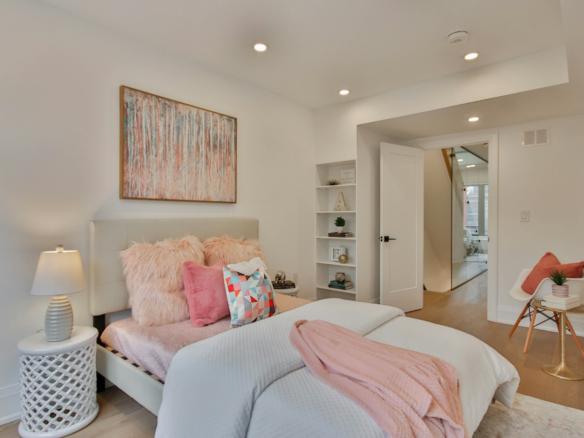
Illustrative real interior photograph; not a Hurghada property or an example of furniture included in a sale. Lotus Design N Print / Unsplash · Unsplash License.

Join The Discussion