
When you live outside Egypt, a live video viewing can help you decide which questions to investigate before travelling or reviewing an offer for a standalone villa at ONE7 in Hurghada. Its value depends on identifying the actual home, agreeing what the presenter can show and recording the points that need documents or an independent inspection. A polished video alone cannot establish all the facts a buyer needs.
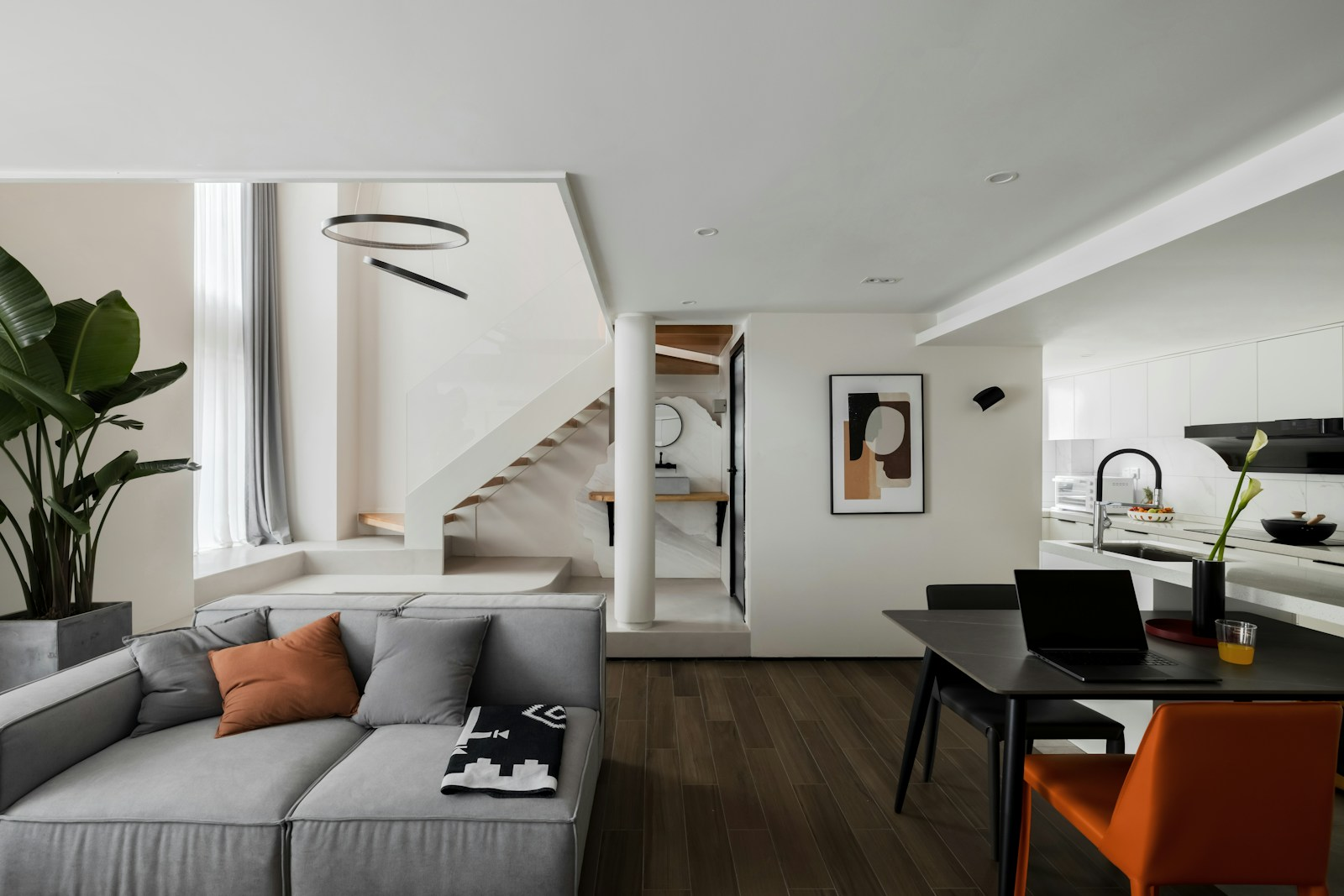
The developer’s ONE7 project page lists standalone villas among its residence types. That general description does not confirm the availability, price, layout or delivery date of a particular home. The accompanying photograph is illustrative and is not an image of a ONE7 villa. Ask NGI for current information about the specific residence, and do not assume it has a garden, staircase or particular finish until that is confirmed for the offer.
Set an objective before arranging the call
Choose three decisions the viewing should help you make. You may want to understand the route from the entrance with luggage, see how two rooms connect or clarify what can be shown of an outdoor area. Send those questions before the call and ask whether a live viewing is possible and permitted at the proposed time. Site access and the stage of work may place limits on what a presenter can show.
Turn preferences into practical questions. Instead of asking whether a room is spacious, explain that you need to position a table of a particular size without blocking a door. If a member of your household has a specific access requirement, describe the relevant journey and ask for the information that would help them assess it. Avoid treating a reassuring general description as a measured answer.
If the selected villa cannot be entered, ask what alternative can be shown and how it differs from the actual offer. A sample residence, plan or illustration may explain the concept, but it does not prove that every detail is identical. Label the material before the call so that helpful context is not mistaken for unit-specific evidence.
Identify the residence and the source of each image
Request the unit reference used in the offer and ask the presenter to connect it to the documents and the location being shown. If the tour uses a sample or another home, have that stated clearly. You may still learn something about a possible arrangement, but ask for written confirmation before applying a detail from the example to the villa you are considering.
For recorded footage, ask when it was filmed and what it depicts. During a live call, request a recognisable starting point where access and site conditions permit, followed by an explanation of the route to the selected unit. A view of an attractive exterior does not establish the current condition or legal boundaries of an individual property.
If the proposed unit changes during a discussion, start a separate record. Do not combine a plan for one reference with photographs or a quotation for another. Ask for an updated pack and note the date and source of every answer, especially when your household is comparing alternatives from more than one country.
Agree a route for the camera
Begin with the approach and entrance serving the identified villa, if these can be shown, then follow a continuous route through the interior. Ask the presenter to explain where each door leads and return to a recognisable point when moving between spaces. Do not infer how many floors exist or where they are simply from the residence type.
Ask whether the route visible today is temporary because of ongoing work and how the final approach is described in the applicable documents. If a part cannot be accessed or filmed, record the restriction. An unanswered question should remain open rather than being filled with an assumption.
Where an outdoor space is shown, ask the presenter to distinguish the area described as private from any shared route or neighbouring land. Compare the explanation with the current unit-specific plan and specification. A fence or path visible on video does not establish ownership rights or a legal boundary. Have a qualified independent lawyer review the relevant documents.
Walk through an ordinary day
Imagine arriving with shopping, welcoming a relative, moving between the living and food preparation areas and storing belongings during a longer stay. Ask the presenter to follow the journeys that matter to your household, explaining how the spaces connect. The goal is to identify questions that require measurements or written answers, not to pronounce every villa suitable for the same lifestyle.
If a household member needs to minimise stairs, ask how the applicable plan addresses the rooms they need and what alternatives are available. Where a staircase actually exists, request a view and discuss relevant dimensions with an appropriate professional. Do not assume that a bedroom is located on a particular level or that a change to the layout is permitted.
Consider storage in the context of your own routines. Where might travel cases, cleaning equipment or outdoor items go? Could a piece of furniture pass along the relevant route? Such questions should be answered for the proposed residence, using the plan and appropriate measurements rather than a standard description.
Treat dimensions as evidence to verify
Ask for the dimensions that could change your decision: an entrance width, usable wall length or the clearance needed to open a door. Establish who measured each item, when, and whether the figure comes from a drawing or a completed space. Video helps locate a question but does not produce a precise measurement merely through the image.
Place the real measurements of your proposed furniture on a copy of the plan and allow for movement and door swings. Before ordering an expensive item or making a commitment that depends on a dimension, arrange a suitable independent check. If the video explanation and plan differ, retain both and request a written clarification against the same unit reference and plan revision.
Ask how any advertised area is calculated and what it includes. A headline figure cannot be compared fairly with a different measurement basis. Furniture drawn on a marketing plan can be illustrative; its presence does not establish the actual clearance or that furnishings are included in the price.
Separate the specification from the styling
A presenter may show a surface, appliance or kitchen fitting. Ask whether it is part of the identified villa, an example of a finish or an item in a sample residence. Request the document that defines what is included in your particular offer. If work is not complete, ask how choices or changes will be recorded.
Make a short room-by-room list of the items important to you: flooring, doors, kitchen elements, electrical points or cooling provision where relevant. Do not infer a brand or appliance from an illustration. Mark an answer as awaiting confirmation until you receive the appropriate specification.
When a finish is described as included, ask what the word covers and whether there are exclusions or additional works. A precise written answer makes it easier to compare offers and reduces the chance that different people mean different things by the same term.
Review daylight and privacy at the right time
Where possible, ask to see the actual windows and outlook from inside the unit, along with the time and direction of the recording. Light changes during the day, and a brief tour cannot show every condition. If daylight is central to your choice, request further dated material or arrange an appropriate in-person visit.
For privacy, ask what is currently visible from nearby paths or windows and what can be seen of any outdoor space relevant to the offer. A single camera angle is not proof of every sightline. Nor can an image guarantee that the future surroundings will remain unchanged. Identify what is known, what is uncertain and which questions require professional advice.
When a sample image is substituted for the unit, label it illustrative. This preserves its usefulness without allowing it to stand in for evidence of the particular villa. Discuss the same questions for each alternative rather than assuming that one attractive view represents the entire project.
Ask about costs and responsibilities in writing
Request a dated offer identifying the unit, currency, payment dates, the scope of the price and items requiring clarification. Do not combine a figure from an old advertisement with a schedule from a different message. If several payment options are offered, ask for a complete written version of each and review them with your own financial and legal advisers.
Ask who maintains private elements and shared services, what charges apply to the particular offer and how they are confirmed. Do not assign a fee from another residence to the villa under discussion. An overseas owner may also want to know how repairs are reported and who can approve spending during an absence.
Compare the same period and responsibilities across alternatives. If a cost is unknown, mark it as unconfirmed rather than entering zero. This is a framework for making a more informed enquiry; it is not a forecast of return or individual financial advice.
Make the follow-up as useful as the tour
After the call, send a numbered summary containing the villa reference, viewing date, plan revision, what you saw live and questions still awaiting documents. Request an answer against each point. If availability, the plan or the quotation changes, ask for the current version instead of treating a saved recording as a live offer.
Decide what requires a personal visit or a suitably qualified representative. An independent technical inspection may help with condition or measurements; an appropriate lawyer can review the documents, rights and obligations. Agree the scope and cost with the professional before instructing them.
Keep three categories in your file: observed during the call, supported by a document and still unconfirmed. Where sources conflict, ask which written version applies and why. Share the concise record with family members who could not attend, so that they can see the limitations alongside the attractive footage.
Seven questions to send before the viewing
1. What is the villa reference, and can it currently be discussed or viewed?
2. Will the call show that residence or a sample, and what is its present stage?
3. Which plan and specification apply to the reference?
4. Can the approach, interior route and relevant outdoor area be shown?
5. Which dimensions can be confirmed in writing, and who measured them?
6. Which costs, responsibilities and inclusions still need clarification?
7. What should be checked in person or independently before a decision?
Use the same list for each villa you compare. A clearer video does not automatically mean a better home; request missing evidence in the appropriate form. NGI’s guide to preparing a ONE7 information pack from abroad can help you organise the wider documents alongside this viewing checklist.
Contact NGI and ask about your special gift with the villa. Ask NGI for the current offer and its terms for the particular home; the gift is an NGI promotion and its type, value and eligibility should be confirmed. The developer’s ONE7 page provides general project background, while the details of an individual villa require current confirmation.
Illustrative photograph, not ONE7: Peng Chen / Unsplash. Unsplash.


Join The Discussion