
A home described as fully finished can be appealing when you want to plan a move without managing every stage of construction yourself. The useful question for a buyer, however, is not only whether the description sounds reassuring. It is what the agreed finish actually includes in the particular home, how that specification is documented and what you will need to arrange separately.
Kronberg’s official ONE7 project page describes the residences as fully finished. The page does not establish the exact materials, appliances, furniture or available options for every individual unit. Ask NGI for the current information for the residence you are considering and check it against the written offer and relevant documents. This guide turns that conversation into a practical, room-by-room review.
Start with a specification for the actual unit
Ask for the unit reference, the date and version of the finish specification, and the name of the party providing it. A brochure can explain the intended character of a project, while a unit-specific schedule should clarify the commitments that apply to your choice. If a document is labelled preliminary, ask when a final version will be available and who can confirm changes.
Keep the plan, quotation and specification together. When a description mentions a finish without identifying the room or extent, mark the point for clarification. For example, a statement about flooring is more useful when you know which areas it covers and what happens at thresholds or outdoor connections. Do not infer a particular stone, colour or manufacturer from an attractive picture.
Separate included work from your future purchases
Make two columns: items included in the offer and items you expect to arrange after handover. Flooring, fitted components, decorative lighting, furniture and appliances may be treated differently depending on the offer. Ask for a written answer for each item important to you, rather than assuming that all visible objects in a furnished photograph are part of the sale.
For any excluded item, ask whether the delivered home is prepared for its later installation. Dimensions, connections and approval requirements may affect your budget and schedule. A professional who understands the actual unit can advise you on technical suitability. Keep estimates separate from confirmed contract terms, and revisit them when the unit’s documentation changes.
Compare pictures with the written schedule
Photographs and visualisations can show the intended atmosphere, but a sample interior is not necessarily the delivered finish of your selected home. Ask whether each image shows the unit itself, a show home, a similar example or an illustration. Record the date and any differences explained during your conversation.
When you see a feature you value, name it in a question: is this surface included in the selected room, and where is it described in the current specification? If the answer is not yet available, list it as open. A buyer who can distinguish a confirmed item from an example can compare homes more accurately and avoid buying accessories twice.
Floors, walls and ceilings
For each room, ask which surfaces are to be finished and how the finish is identified in the schedule. Check how changes in level or flooring meet at doorways and whether external areas, if any, are covered by the same documents. If a specific appearance matters to you, request current samples or approved material information for the unit rather than relying on a screen colour.
During a permitted viewing, observe the condition of visible surfaces and the quality of junctions. A photograph can help you remember a question, but arrange inspections in accordance with the seller’s access rules. If a home is still being completed, distinguish a temporary construction condition from an accepted handover condition. A qualified inspector can help identify issues needing professional assessment.
Doors, windows and useful measurements
Ask which internal and external doors are included, how they open and which fittings are specified. Check the location of windows on the actual plan and ask about the components relevant to ventilation, access and security. Do not assume that a particular glazing specification, lock or screen is included without confirmation.
Measure routes for the furniture you intend to bring when access and measuring are permitted. A wide room may still have a narrow doorway or a door swing that affects where a wardrobe can stand. Note the points that need a final measurement at handover. If you are arranging delivery from abroad, avoid ordering an item solely from an unverified drawing.
Kitchen: check what fitted means
Ask whether the offer includes cabinets, work surfaces, a sink, taps and appliances, and request the extent of each item. Confirm the room’s layout and the available information on connections. A marketing image of a fitted kitchen cannot on its own settle the brand, dimensions or condition of equipment for your chosen unit.
Think through a normal day: where will you prepare a meal, store cleaning supplies and place small appliances? If anything must be purchased separately, ask for the space and technical information needed before obtaining a quote. Where a supplier proposes alterations, check any rules or approvals first. Keep the supplier’s proposal distinct from the original unit specification.
Bathrooms and water fittings
List the bathrooms shown on the current plan and ask what fixtures, taps, shower fittings, storage and finishes are included in each. Clarify whether accessories visible in a picture are part of the offer. If a particular feature is important for a family member, ask for dimensions and the relevant written details before making a decision.
At handover, follow the agreed inspection procedure and ask how functional checks are performed. Note visible concerns with a location and photograph where allowed. Questions about waterproofing, pressure or technical performance require evidence and, when appropriate, assessment by a qualified professional. An article cannot promise how a specific system will perform.
Lighting, power and cooling
Ask for a plan or schedule showing the information available for switches, sockets and lighting points. Distinguish a provision for a light fitting from a decorative fixture that might need to be purchased. If you need a home office or a bedside charging point, check the proposed location against how you would actually arrange the room.
Cooling equipment and its installation should be discussed separately: ask what, if anything, is included in the selected offer, and what is only a provision. Do not assume capacity or energy costs. Where installation is excluded, request the relevant technical and management requirements and get an independent quote based on the actual unit.
Outdoor areas and shared finishes
If a particular unit includes a terrace or other outdoor space, ask which surfaces, railings, doors and connections are covered by its offer. Confirm the boundaries and any rules governing later changes. Not every residence should be assumed to have the same outdoor area, and a project-wide image does not describe the rights attached to one unit.
Ask separately about access to shared areas and the documentation that describes them. Their appearance, completion and operating arrangements may be different from the handover of a private home. Our guide to shared facilities at ONE7 offers questions for that discussion without treating a project concept as a guarantee.
Build a handover record
Before inspection, ask who attends, which documents will be used and how observations are submitted. Take the unit plan, the current agreed specification and a numbered checklist. Record the room, the item, the issue observed and the response requested. Ask which points require a specialist and which can be resolved through the agreed handover process.
Keep photographs and messages with dates, and request a written response to unresolved items. Do not change a record after someone has acknowledged it without marking the revision. If work is agreed, clarify who is responsible, how progress will be communicated and how completion will be checked. Avoid assuming a deadline or remedy unless it is established in the applicable documents.
Buying from abroad: make the details easier to verify
Request a clearly labelled set of current documents and a video tour if one is available. Ask the presenter to identify the unit and show how the views relate to its plan. A remote tour is useful for preparing questions, but it may not show hidden systems or every surface. Arrange an appropriate inspection and independent review of transaction documents according to your circumstances.
Maintain a question list with an owner and a date for each response. If one answer changes, check whether it affects an earlier quote or furnishing plan. This practical trail helps family members and advisers work from the same information, especially when decisions are made across time zones.
Ask NGI about your selected home
Tell NGI how you intend to use the residence, which rooms matter most and whether you expect to furnish it immediately. Request the current unit reference, the written finishing schedule, the offer and a clear explanation of any open points. Compare the documents before ordering furnishings or accepting an assumption about a sample image.
Contact NGI to discuss an ONE7 home and ask about your special gift. NGI can explain the current offer and any conditions that apply; the gift belongs to NGI’s promotion and should not be attributed to the developer. No specific gift, discount, price or availability is promised in this guide.
Finally, keep a copy of every version you receive. If a drawing, specification or offer is updated, note what changed and ask whether the new version applies to your selected residence. This small step gives your adviser a clearer record and makes it easier to compare the final offer with your original priorities.
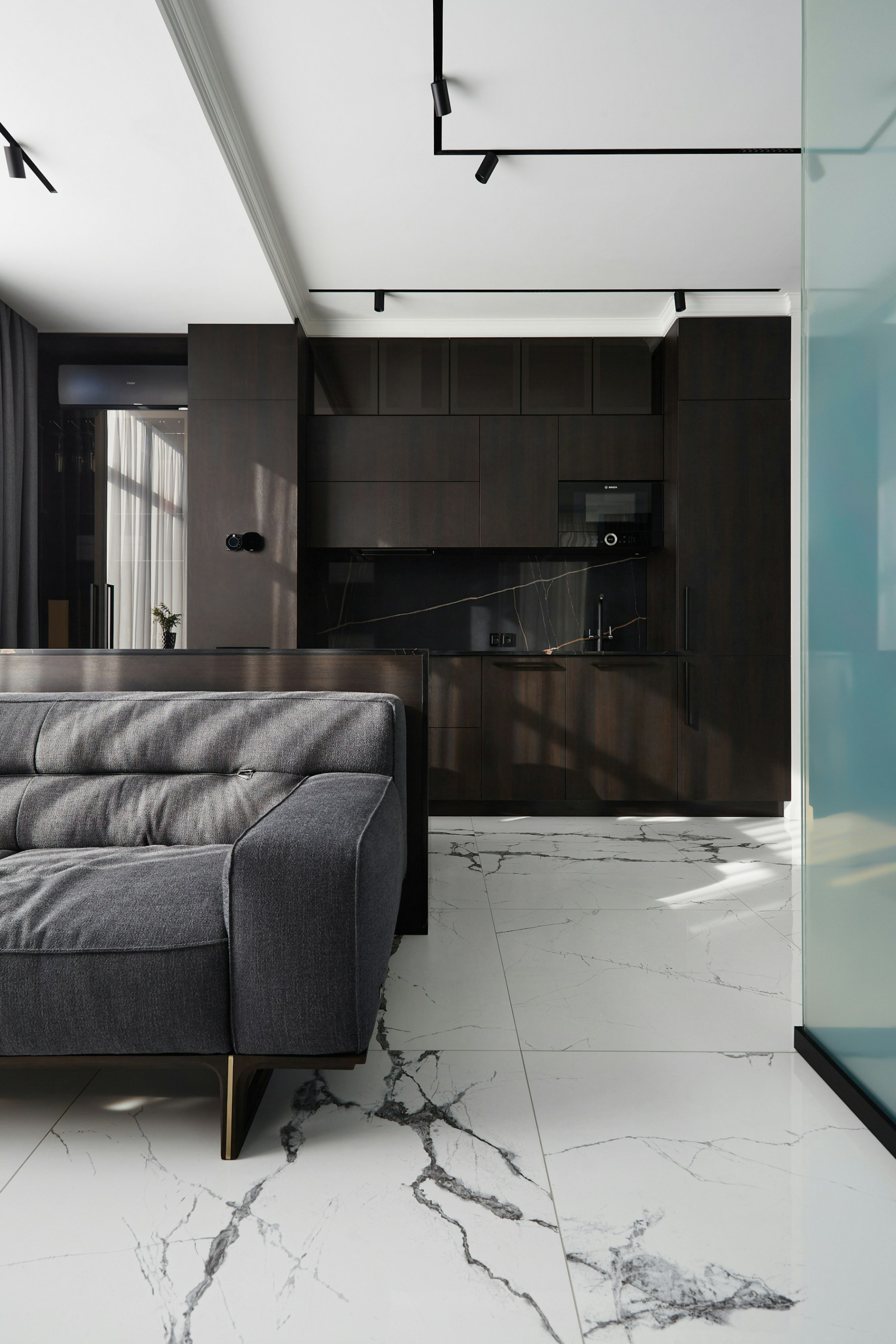
Illustrative photograph, not a ONE7 unit: Marina Nazina / Unsplash · Unsplash License.



Join The Discussion