
At an apartment handover, a collection of photographs and messages can quickly become difficult to follow. One picture shows a cupboard, another shows a mark, and a conversation says somebody will return later. A useful issue list connects each observation to an exact location, a question and a next action. For an owner living outside Egypt, that clarity matters especially when another person attends a later visit on their behalf.
This article explains how to organise observations and follow-up. It does not establish your contractual rights, a technical acceptance standard or a legal deadline. Your agreement and the relevant professional advice determine those matters. Do not sign something you do not understand, assume that a note changes a contract, or treat a visual walk-through as proof of safety. Keep the administrative process separate from any specialist inspection required for the property.
Prepare the right reference documents
Before the appointment, collect the exact unit reference, the relevant written specification and the versions of plans or inventories supplied for the transaction. Identify which documents describe what should be handed over, rather than relying on an old advertisement. Ask your adviser to explain anything unclear about the appointment or documents you may be asked to sign. The purpose is to arrive knowing what you are comparing, not to improvise contractual interpretations in the room.
Keep the files together and label their dates. A later revision may differ from an earlier plan. If a representative attends for you, make sure their authority and instructions are properly arranged and understood. This guide does not determine what form that authority must take. Clarify the required arrangements with the appropriate professionals, and give the attendee a practical brief that distinguishes observations from decisions they are authorised to make.
Use one consistent room naming system
Choose simple names such as entrance, living room, bedroom one and kitchen, and use them throughout. Where similar rooms exist, add a reference to the plan or another clear description. A message saying “the window has a problem” can be ambiguous in an apartment with several windows. “Bedroom one, window beside the wardrobe” gives the person responsible a much better starting point without needing a lengthy explanation.
Start with a general room photograph where permitted, then take a closer image of the observation. Maintain the same direction of travel through the apartment so nothing is repeatedly revisited while another area is forgotten. The numbering system need not be complicated. What matters is that somebody who was not at the appointment can locate the item without guessing which room, door or piece of equipment you meant.
Record observations instead of uncertain diagnoses
Describe what you can see or what happened during an authorised ordinary demonstration. A mark, a loose handle or a door that does not close normally is an observation. A statement about the hidden cause, structural significance or correct repair may require expertise you do not have. Use precise wording and ask for an appropriate assessment where needed, rather than presenting your first impression as a technical conclusion.
For example, “visible mark below the kitchen sink, photographed on this date” is more useful than asserting a cause without evidence. Do not open installations, remove covers or perform improvised electrical or plumbing tests. If a condition appears unsafe, stop using the affected item and seek qualified assistance. An issue list helps organise the response; it is not a substitute for the person competent to evaluate and remedy it.
Give every item its own identifier
Use a short sequence such as K01 for the first kitchen observation or B01 for a bedroom item. Record location, description, photograph reference, the question raised and the next step agreed. Avoid placing several unrelated observations into one line. If one is resolved and the others are not, a combined line makes later status confusing. Separate identifiers let each item follow its own progress.
Keep the original wording visible when updates are added. Replacing a description with “done” can remove the evidence of what the item originally concerned. Add a dated update and retain the underlying record. A simple spreadsheet or document can work if everyone uses it consistently. The tool matters less than making the record understandable and preventing separate message threads from becoming competing versions of the truth.
Link pictures to a location and a date
Photograph the wider context first and the detail second, subject to permission and any applicable rules. An extreme close-up without context may be impossible to locate later. Use filenames or references that match the item identifier, and keep the date with the record. Avoid including private documents, residents or other people’s belongings when they are unnecessary for understanding the property observation.
Do not rely solely on a video that someone must watch in full to find a particular issue. A short clip can supplement an entry when movement or operation is relevant, but a written description still helps. Keep original files rather than only compressed message copies if possible. Clear, proportionate evidence supports follow-up without turning the record into a large collection of unrelated photographs that nobody can efficiently review.
Separate missing items from condition concerns
An item not supplied and an item supplied with a visible problem are different questions. Check included equipment against the written inventory or specification. Do not assume that something present in the show apartment was part of the actual purchase. Conversely, do not let a missing item disappear from the list because a nearby piece of equipment was demonstrated successfully. Each question needs its own reference.
Our furnished-apartment inventory guide helps organise the included items. For each discrepancy, identify the relevant source document and request clarification. Avoid inventing a replacement value or deciding on a compensation amount in the notes. Any commercial or contractual resolution should be considered separately with the proper advice and authority, while your list records the facts and the responses received.
Make responsibilities explicit
For every open item, ask who is responsible for the next action, not merely who happened to hear the comment. The seller, contractor, building representative and equipment service provider may have different roles. Record the contact and the action they have actually accepted, along with any condition that still needs confirmation. A name without a defined task can leave everyone assuming somebody else is dealing with the problem.
If responsibility is disputed, record that status plainly and retain the correspondence. Do not convert a disputed matter into an agreed commitment in your own summary. Ask your adviser how the disagreement should be handled under the actual arrangement. The practical benefit of the list is visibility: it shows which items have a responsible next step and which still need an answer before a reliable plan can be made.
Agree a recheck rather than relying on a promise
Ask how completion will be reported and how an item will be checked again. A photograph sent after work may be helpful, but it does not always demonstrate the original problem has been resolved. Some matters may need another demonstration, a visit or a specialist’s confirmation. Match the recheck to the nature of the observation instead of applying the same evidence requirement to every line.
Record any proposed date as a documented arrangement, not as a legal deadline created by this article. If timing is unconfirmed, keep it open. Distinguish “work reported complete” from “resolution checked”. This small difference is particularly useful when an owner lives in Europe and cannot attend every visit. It prevents an administrative update from being mistaken for a completed verification that nobody has actually performed.
Arrange access and supervision carefully
Before a return visit, clarify who may enter the apartment, who will be present and what work is authorised. Do not circulate entry codes or key locations in a general issue list. Access information should be shared only through an appropriate controlled arrangement with authorised people. Keep the maintenance task and the access permissions connected operationally while avoiding unnecessary disclosure in widely forwarded documents.
Ask how belongings and areas outside the work will be protected, and how the apartment will be left afterwards. If several trades are involved, identify who coordinates the sequence. A finished repair can otherwise be affected by later work. These are practical questions for the specific service arrangement, not a statement that any particular protection or supervision is automatically included with your purchase or offered by NGI.
Keep equipment information with the record
Where available, retain the appliance model, serial reference, instructions and documents relevant to servicing. Do not assume a warranty exists, transfers to you or covers the observed problem without checking its actual terms. A label and a date of installation can help identify the right equipment, but they do not answer the contractual question of who pays for a remedy. Keep that distinction visible in the file.
Our guide to an owner’s apartment file explains how to store documents and maintenance history. Link the handover item to that file rather than scattering related material across devices. If a later fault occurs, an organised record helps you describe what was previously observed and what work was reported, without claiming that the earlier event necessarily caused the new problem.
Summarise each visit before memories diverge
After the appointment, prepare a concise summary with the unit, date, attendees and outstanding identifiers. Share it through the agreed channel with the relevant parties, keeping a copy of the response. Explain which entries are observations, which actions were acknowledged and which points remain disputed or unconfirmed. Do not present silence as acceptance. A summary is useful precisely because it separates those different states.
If somebody requests a correction, preserve the original and record the change with its reason. Avoid rewriting the entire history to match the latest conversation. Consistency makes the record easier to use, especially when another person takes over follow-up. A short, accurate list with supporting evidence is usually more practical than a long emotional account that mixes facts, interpretations and demands without showing what needs to happen next.
Close items only on the basis you actually checked
When a line is resolved, add the date, the evidence and who checked it. If you only received a statement that work was completed, record that limitation instead of marking an independent inspection that never happened. Keep unresolved items available and distinguish them from new observations made later. This protects the usefulness of the list without requiring you to make legal or technical claims beyond your knowledge.
For a future purchase, tell NGI what information and viewing support you need, beginning with the property catalogue and a focused consultation. The consultation form is in English; state your preferred contact language. For an existing apartment, agree the relevant process with the parties responsible for your transaction and obtain independent advice where necessary. A clear issue list keeps follow-up organised; it does not replace the agreement, specialist checks or decisions that require your informed approval.
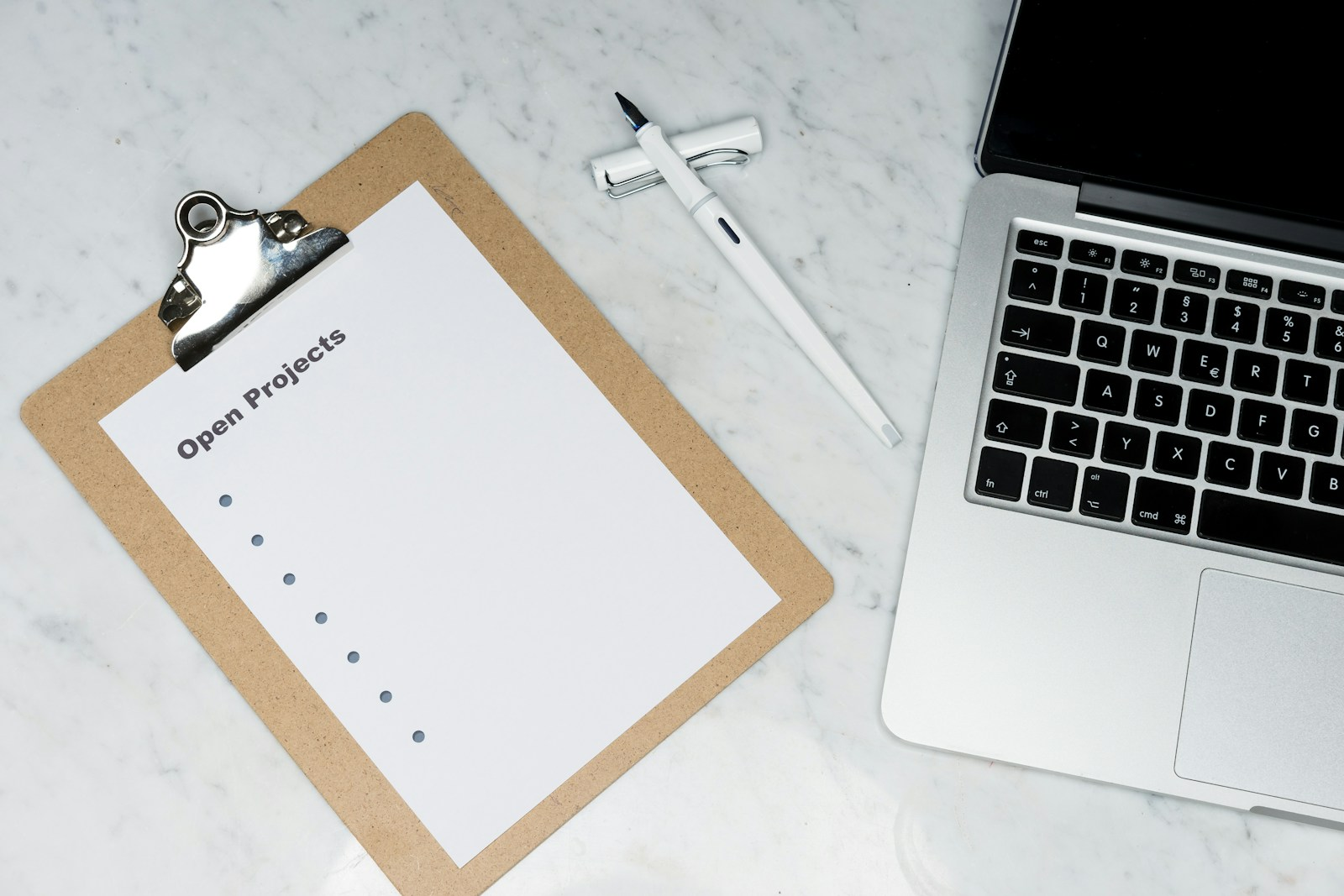
Illustrative task-list photograph, not an apartment inspection report. Markus Winkler / Unsplash · Unsplash License.


Join The Discussion