
A rental apartment has to work for someone who has never visited the building. A guest may arrive with luggage, a tired child and a phone running low on battery. Before buying an apartment in Hurghada for rental use, follow that person’s route from the drop-off point to the first comfortable hour indoors. A polished living-room photograph tells you very little about this part of the experience.
This is a practical viewing exercise, not a promise about rental demand or income. It helps you identify questions for the specific building, seller and proposed operator. Permission to rent, applicable requirements and contractual responsibilities need separate confirmation for the actual arrangement. An easy entrance cannot resolve an unsuitable contract, and an attractive forecast cannot repair an entrance guests struggle to use.
Start with the guest you intend to accommodate
Describe a plausible stay before comparing apartments. Are you considering couples travelling with cabin bags, families with pushchairs, or visitors staying several weeks? These are planning scenarios, not claims about who will book. Each changes the questions you should ask. A staircase that feels manageable during a short viewing may be awkward with several suitcases. An arrival process requiring an app may be inconvenient for somebody whose mobile connection has not started working.
Write down your intended guest profile, likely luggage needs and any essential access requirements. Avoid calling a property accessible on the strength of a lift alone. Door widths, thresholds, steps and the complete route matter, and suitability should be checked against the individual’s needs. The aim is to discover practical limitations before they become misleading statements in a future listing.
Walk from the actual drop-off point
Ask where a driver can stop, rather than starting your inspection at the apartment door. Follow the permitted walking route with an ordinary suitcase if possible. Note surfaces, kerbs, steps and places where directions become ambiguous. Check whether the entrance shown on a map is the entrance visitors are expected to use. A location pin and the correct gate can be different pieces of information.
Look for a route that can be explained without a long sequence of landmarks that may disappear. Ask how deliveries and visitor vehicles are handled. If parking is important, confirm the arrangement separately; nearby empty space is not proof of an allocated parking right. Photograph only appropriate common areas with permission and avoid recording residents or security details unnecessarily.
Check the entrance when your guests might use it
A daytime viewing does not establish what happens after a late flight. Ask who is available at the expected arrival time, how a delay is communicated and whether the entrance process changes outside normal hours. Do not assume that a visible reception desk provides a round-the-clock guest service. Request the actual service hours and the responsibilities included in the proposed arrangement.
If you can arrange an evening visit legitimately, check lighting, the visibility of building numbers and how easily the correct doorway can be identified. You are assessing ordinary use, not testing or bypassing security. Any demonstration of visitor access should be organised with the authorised building representative. A clear answer about the process is more useful than an improvised exception made only for your viewing.
Follow the luggage route all the way upstairs
Continue through the building entrance, any internal doors and the lift or staircase. Count the transfers: where does a guest have to set down a bag to open another door? Is there an unexpected step before the lift? Can a pushchair follow the same route, or does it require a different entrance? Record the limitations plainly rather than trying to explain them away.
Ask what the agreed procedure is if the lift cannot be used. A seller’s suggestion that somebody will help is not the same as a defined service. You may decide the property suits your intended guests despite a limitation, but that decision should be deliberate. Our second-viewing guide helps you check conditions inside the apartment at a different time as well.
Choose a handover process that fits the building
Possible arrangements include meeting an authorised person, collecting a key through an agreed service, or using an approved entry system. None should be assumed available merely because another holiday apartment uses it. Ask which method the building permits, who administers it and what happens when the person responsible is unavailable. Confirm whether any related work or equipment is included in the proposal.
Keep practical operation separate from legal permission and building approval. Installing a device is not a substitute for checking the conditions of use. Airbnb’s guidance on adding check-in instructions describes several possible methods, but it does not establish which is authorised for your Hurghada apartment. Use platform guidance to organise questions, not to infer local permission.
Make the backup specific
Ask a simple question: who helps if the agreed entry method does not work? Record a primary contact, an alternative contact and the circumstances in which each takes over. Establish how the guest reaches them without depending on a single messaging application. A list of phone numbers is incomplete if nobody has accepted responsibility for answering at the relevant time.
Discuss a lost key, a delayed arrival and a failed device as separate situations. The response may differ. Ask how spare access is controlled, how identity is checked and who approves additional assistance. Do not publish key locations, entry codes or sensitive security instructions in an article or public listing. Those details belong in a controlled process for the authorised guest.
Test the first hour inside
After entry, imagine what the visitor needs immediately: light, a place for luggage, a usable bathroom, drinking-water arrangements and understandable instructions for essential equipment. Check switches, curtains and the location of basic information. If a device has an unusual operating sequence, ask whether a short written instruction is available in a language the intended guest understands.
Try the ordinary tasks you are authorised to test during the viewing. Do not alter electrical, plumbing or security installations. Record anything requiring inspection by a qualified person. Our furnished-apartment inventory guide can help distinguish equipment that is present in the viewing from equipment actually included in the purchase. Rental readiness and furniture ownership are related questions, but they are not identical.
Keep arrival instructions short and usable
Draft a one-page arrival note as an exercise. Include the correct destination, the agreed meeting or entry method, the relevant time and the contact for difficulties. Separate arrival instructions from the full house manual. Someone standing outside with luggage should not have to read pages about appliances before finding the entrance. Use clear photographs only where permitted and where they genuinely remove uncertainty.
For an overseas guest, make the essential directions available in an agreed language and in a form that can be saved before travelling. Do not promise multilingual personal assistance unless that service is confirmed. Ask the proposed operator to review the note. Missing information often becomes obvious when somebody unfamiliar with the apartment tries to follow it without extra verbal help.
Identify the person who confirms the apartment is ready
Being able to enter does not mean the apartment is ready for a guest. Ask who checks cleaning, linen, essential supplies and reported defects before arrival. Establish how the person handling entry knows that those checks are complete. Otherwise, one service may direct a guest upstairs while another believes work is still in progress.
Request a simple readiness record showing the apartment reference, check date, unresolved items and responsible person. It need not be elaborate. What matters is whether an issue has an owner and a decision, rather than appearing repeatedly on an unchecked list. Keep photographs focused on the property and avoid collecting guests’ private information in routine maintenance records.
Discuss costs without assuming rental results
Ask which arrival-related tasks are included in the proposed management service and which may be charged separately. Possible questions concern an additional visit, replacement access equipment, an out-of-hours attendance or a repair call. These are items to investigate, not a statement that every property has those charges. Request the actual written scope, calculation basis and approval process.
Keep setup expenditure separate from recurring services. Mark unknown costs as unconfirmed instead of entering zero. Do not assume future bookings will cover a missing budget. If you want to understand how charges later reach an owner’s account, see our guide to a rental manager’s statement. That reporting check complements this practical exercise; neither provides evidence of a particular return.
Use a rehearsal before making your decision
With permission, ask someone who did not attend the first viewing to follow the draft route and instructions. Keep the test within the authorised access arrangements. Note where they need to ask a question, backtrack or wait. A useful rehearsal reveals unclear information; it is not an invitation to test the building’s security or inconvenience residents.
Sort the findings into three groups: acceptable limitations to disclose, issues that need a confirmed solution, and matters that make the apartment unsuitable for your intended use. Attach evidence and a responsible contact to the second group. If a solution depends on future approval or an unconfirmed service, keep that dependency visible when comparing the property with alternatives.
Bring focused questions to NGI
Before requesting a shortlist, tell NGI whether the apartment is mainly for your own stays, rental use or a mixture, and describe the guest experience you want to support. Ask for the exact unit reference, a viewing route and the building information available for independent checking. Start with the property catalogue, then request a focused consultation rather than treating every advertised apartment as interchangeable.
A good purchase decision connects the property, the permitted use and a service arrangement you understand. Walking through a guest’s arrival can expose a missing link before you commit. Keep the findings alongside your other checks, revisit unanswered questions and choose on confirmed information. Smooth access is one part of a workable rental plan, not a guarantee that the apartment will attract bookings or meet your investment goals.
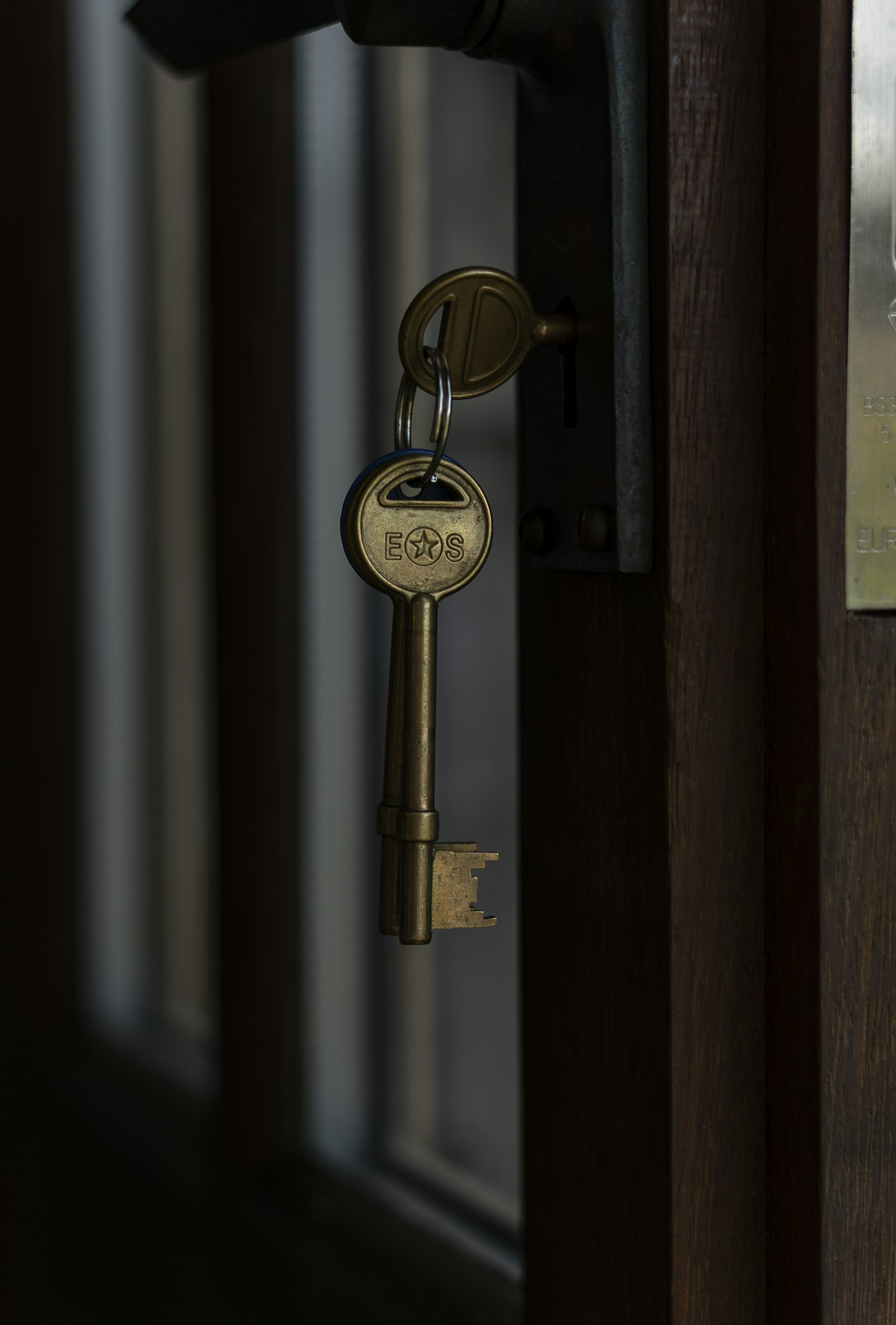
Illustrative photo: keys in a door lock, not a photograph of a Hurghada property. Matt Clark / Unsplash · Unsplash License.

Join The Discussion